Why 'Mucoid Plaque' and 'Sludge' Claims Are Not Supported
Anatomical and histological evidence against intestinal buildup myths
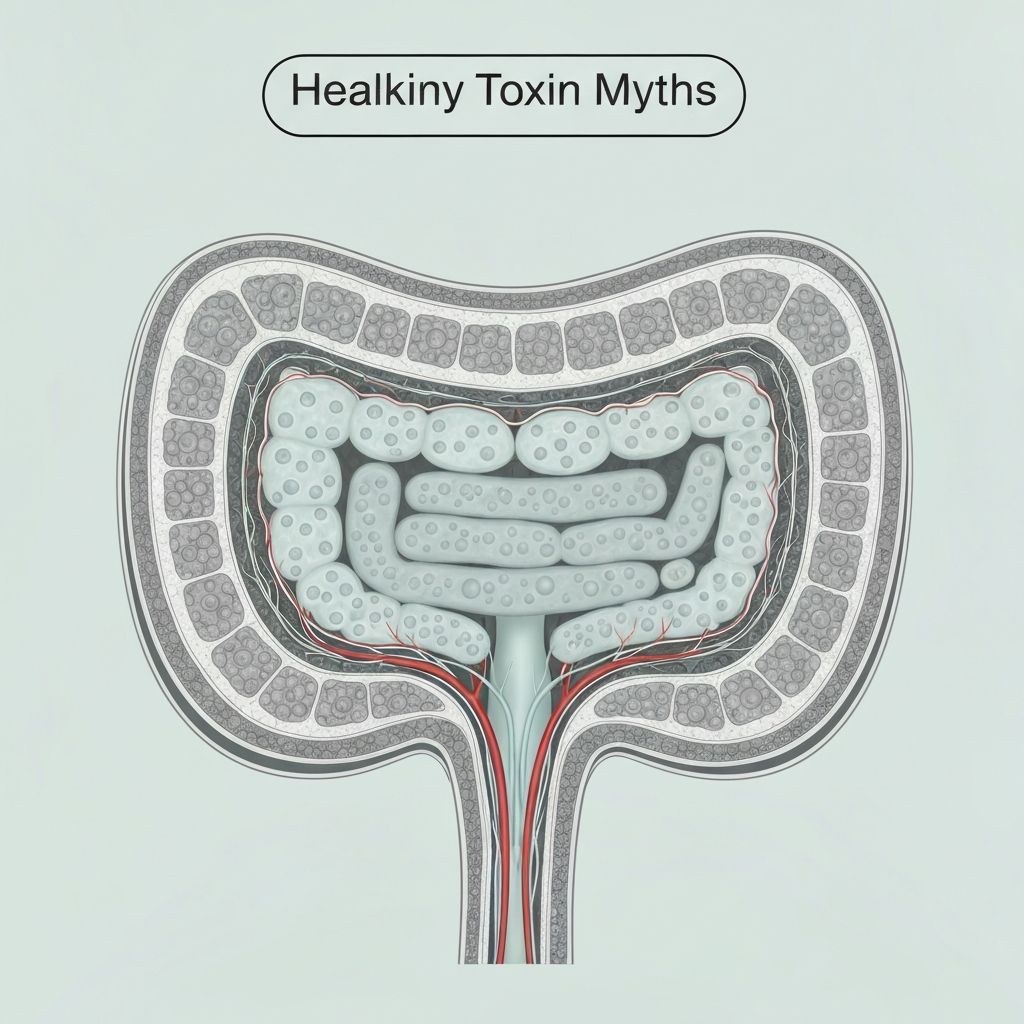
Introduction to Mucoid Plaque Claims
Claims of "mucoid plaque" represent a persistent misconception in alternative health literature. Proponents suggest that a grey, rubbery, rope-like substance accumulates in the colon due to years of improper diet and sedentary lifestyle, and that this substance must be removed through colon cleansing or special protocols. However, this claim contradicts established knowledge of intestinal anatomy and physiology.
Normal Intestinal Mucus Function
The colon naturally produces mucus, which serves essential physiological functions. Mucus lubricates the intestinal lumen, protects the epithelial lining from mechanical stress, and facilitates the passage of fecal matter.
Composition and Structure of Intestinal Mucus
Intestinal mucus is produced by goblet cells distributed throughout the colonic epithelium. The mucus layer consists primarily of water (95%) and mucin glycoproteins (MUC2 being the predominant component), along with proteins, lipids, and electrolytes. Microscopic examination reveals a gel-like structure adherent to the epithelial surface.
Regulation of Mucus Production
Mucus production is tightly regulated by the nervous system, hormonal signals, and bacterial colonization. The mucus layer represents a dynamic equilibrium, continuously produced and shed, not a static accumulation. Histological examination of normal colonic biopsies shows a thin mucus layer firmly attached to epithelial cells, not the thick, plaque-like deposits described in alternative literature.
What About "Detoxification" Practitioners' Claims?
Alternative practitioners sometimes claim that substances expelled during colon cleansing represent accumulated "mucoid plaque." However, scientific examination of material claimed to be mucoid plaque reveals it to be composed of the cleansing agent itself (typically psyllium husk, aloe, or similar substances) combined with normal fecal matter and mucus.
Experimental Evidence
When material claimed to be "mucoid plaque" has been collected and analyzed scientifically, it consistently shows composition consistent with cleansing agents and fecal material, not a pathological accumulation. No unique substance distinct from normal intestinal contents has been identified.
Absence in Medical Literature
Despite millions of colonoscopies and colon biopsies performed worldwide annually, gastroenterologists do not report finding "mucoid plaque" or similar deposits in healthy individuals. If such pathological accumulation occurred, it would be recognized and described in medical literature.
Intestinal Epithelial Integrity
The intestinal epithelium is a single layer of cells approximately 35-50 micrometers thick, continuously renewed every 3-5 days. This rapid turnover prevents any substantial accumulation of pathological deposits. The intestinal lining maintains structural integrity through tight junctions and is protected by antimicrobial peptides and the mucosal immune system.
Histological Evidence
Microscopic examination of intestinal biopsies from healthy individuals shows:
- Organized epithelial layer with intact tight junctions
- Thin, normal mucus layer adherent to epithelium
- Normal lamina propria with appropriate immune cells
- No evidence of pathological plaque or sludge deposits
Historical Origin of Mucoid Plaque Concept
The concept of intestinal "sludge" originated in early 20th-century alternative health movements, particularly through the work of practitioners promoting specific cleansing protocols. As scientific understanding of intestinal physiology advanced, conventional medicine recognized these concepts as inconsistent with anatomical findings. However, the idea persisted and evolved in alternative health circles.
Why Does Material Appear During Cleanses?
Materials expelled during colon cleansing are typically the cleansing agent itself, mixed with normal fecal matter and increased mucus production stimulated by the cleaning substances. Psyllium husk, aloe, and similar laxative agents irritate the intestinal lining, stimulating increased mucus secretion and accelerated fecal transit. The visible material does not represent pathological accumulation.
Digestive Health Without Cleanses
The intestinal tract maintains health through its normal physiological processes without requiring external cleansing. Adequate dietary fiber, hydration, and regular physical activity support healthy digestion without the need for colon cleanses or special detoxification protocols.
Related Articles
Scientific Definition of Toxins
Explore on homepageWeight Loss During Cleanses
Learn actual compositionInformation Context
This educational content addresses common misconceptions about intestinal health using anatomical and histological evidence. It is provided for informational purposes only and does not constitute medical advice. For digestive health concerns, consult qualified healthcare professionals.